


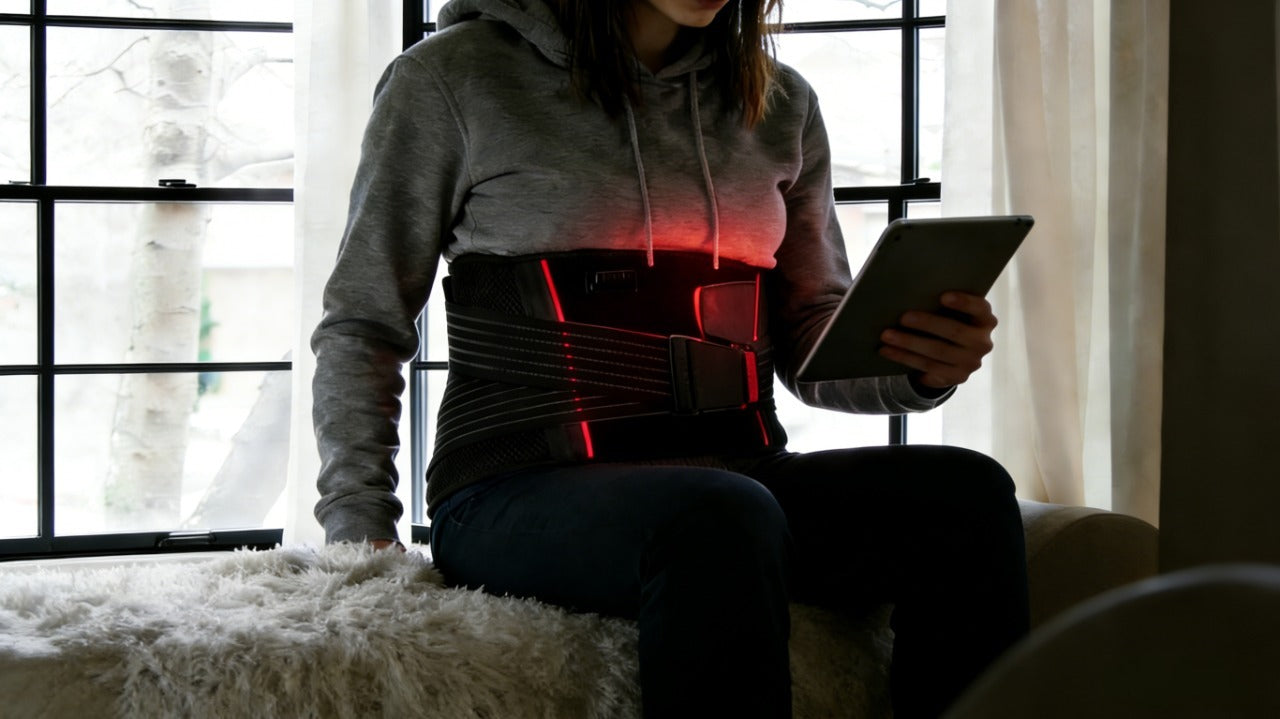
The Science of 660 nm and 850 nm Red and Near-Infrared Light
When LTW talks about “Effective,” it isn’t a vague marketing term. It refers to a specific chain of events: light enters the body, cells absorb it, and this interaction supports the body’s natural recovery and recharge processes.
The Science-Backed Window of Light
Research has identified a range of wavelengths (600–950 nm) where red and near-infrared light travel through human tissue most efficiently. These wavelengths are able to penetrate deeper than other visible light, making them ideal for skin appearance, tissue recovery, and muscle comfort.
In simple terms, this is the light spectrum where light can actually be absorbed and used by the body.
What Happens When Cells Absorb Light
Inside your cells are mitochondria, the “engines” of your cells. Certain wavelengths of red and near-infrared light are easily absorbed by these structures, boosting cellular energy production and supporting natural recovery.
At the whole-body level, this leads to:
-
A warmer, more relaxed sensation in tight areas.
-
Easier movement after physical activity.
-
A quicker return to comfort after daily strain.
This is the foundation of why the right light feels restorative.
Not All Wavelengths Reach the Same Depth
Even within the 600–950 nm window, different wavelengths penetrate tissues to different depths.
-
Shorter red wavelengths (630–680 nm) are more effective near the surface.
-
Longer near-infrared wavelengths (800–850 nm) penetrate deeper into soft tissues and muscles.
This depth difference means that shorter wavelengths focus on superficial layers, while longer wavelengths reach deeper into muscles and connective tissues, making them ideal for post-activity recovery.

Why LTW Uses 660 nm and 850 nm Together
LTW combines 660 nm red light and 850 nm near-infrared light to provide coverage at both surface and deeper tissue levels:
-
660 nm targets the skin and just below the surface, supporting circulation, skin vitality, and relieving surface tension.
-
850 nm penetrates deeper into muscles and soft tissues, supporting muscle relaxation and recovery.
By using both wavelengths, LTW ensures that light reaches the right depths, supporting both surface-level and deeper muscle recovery.
The Changes You Can Actually Feel
The benefits of this dual-wavelength approach are felt in everyday situations:
-
After long desk hours, tight shoulders and neck feel looser.
-
Post-workout, muscles settle into a relaxed, comfortable state.
-
Regular use leaves the skin and body feeling refreshed, rather than fatigued.
These are not one-time effects but gradual, steady improvements that build over time as your cells absorb light consistently.
LTW’s Definition of “Effective”
For LTW, effective light therapy means three things:
-
Scientifically validated wavelengths that align with the body’s most responsive range.
-
Coverage from surface layers to deeper muscles.
-
Cellular absorption that supports everyday comfort and recovery.
By pairing 660 nm and 850 nm, LTW delivers light that your body can use, improving relaxation and recovery as part of your daily routine. This is what we mean by “Effective” — light that reaches the right depth and helps your body feel recharged and ready.
Conclusion
The result of this continuous, effective use of light is simple: looser muscles, easier movement, and a body that feels recharged instead of worn down. With consistent use, the difference becomes clear — LTW offers practical, everyday effectiveness in your wellness routine.
Share:
What is Red Light Therapy
The Benefits of Red Light Therapy