What is red light therapy?

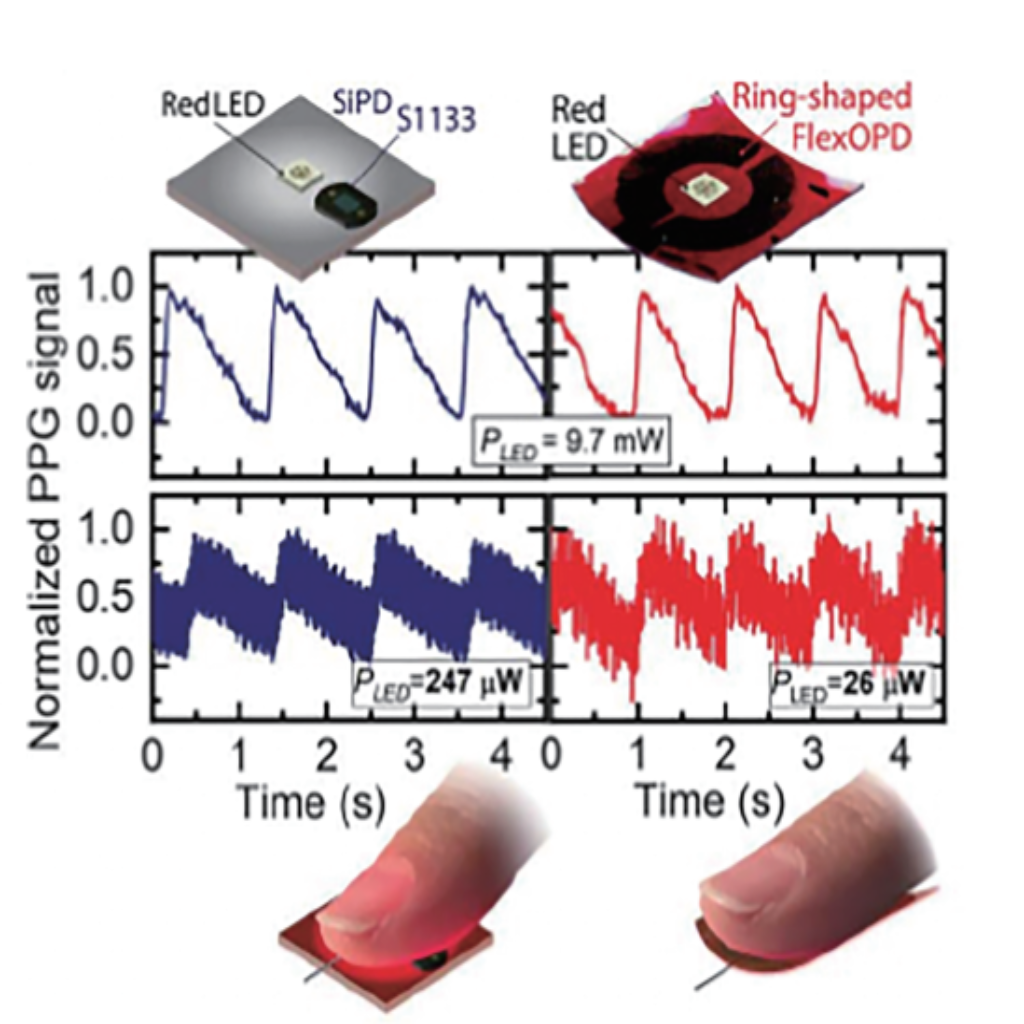
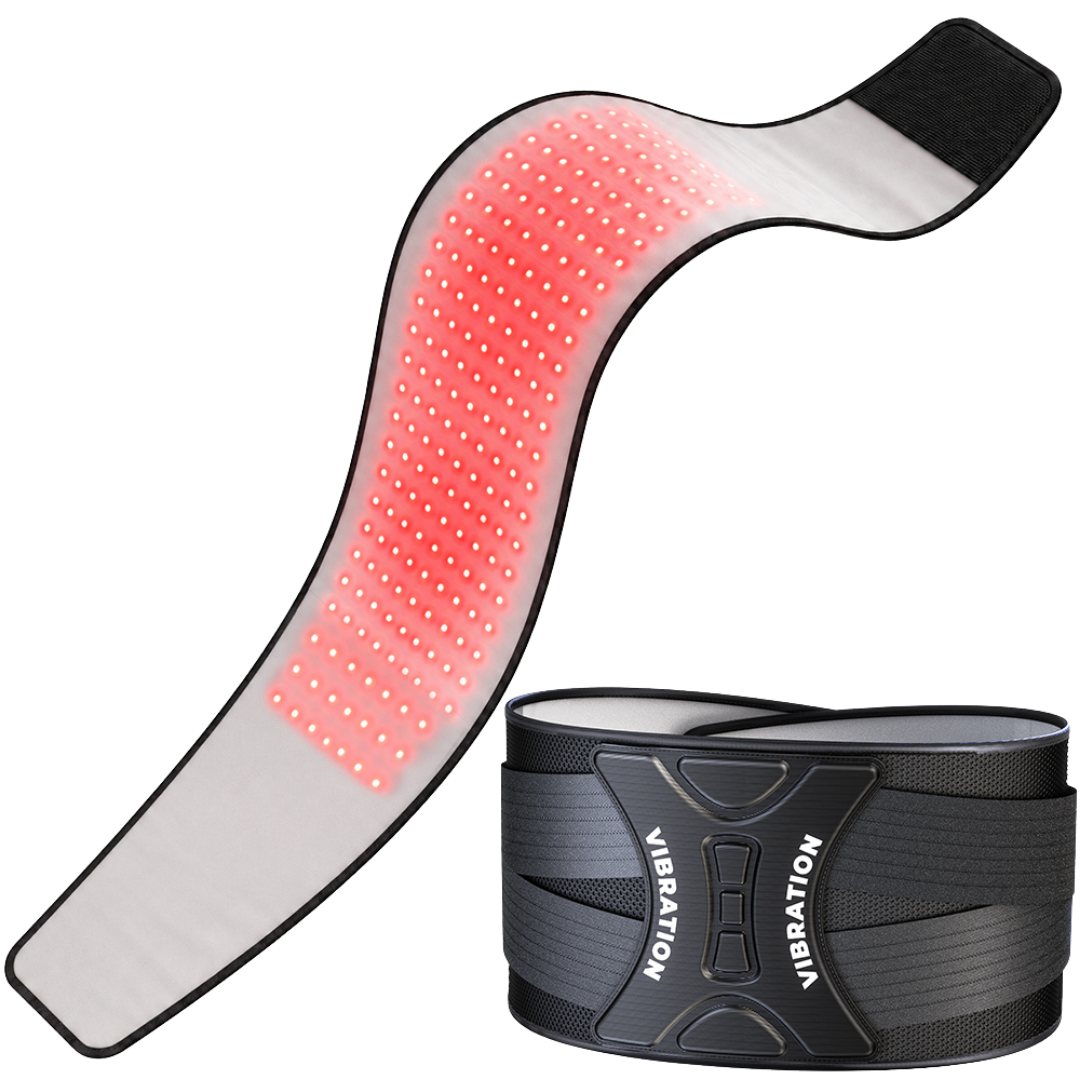
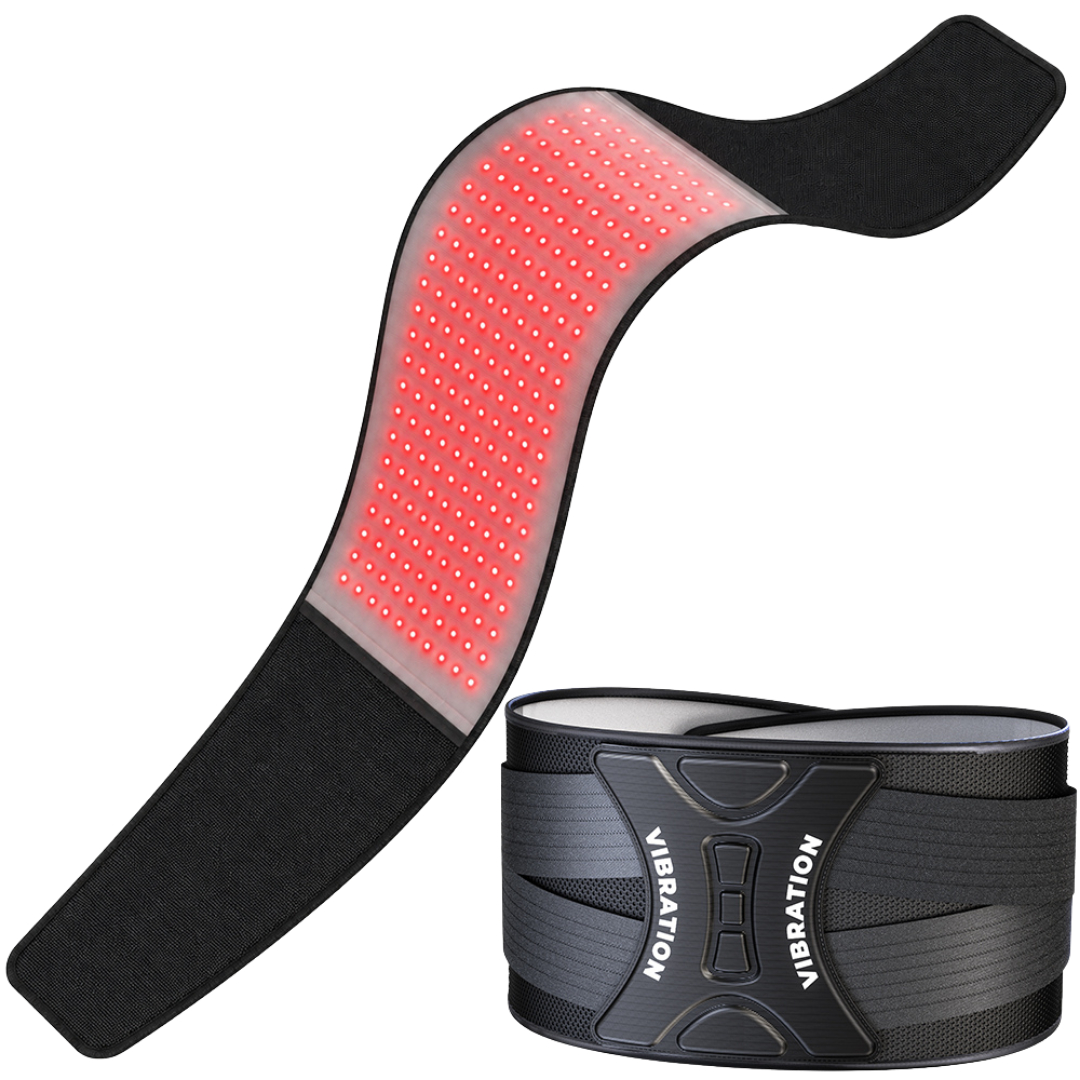
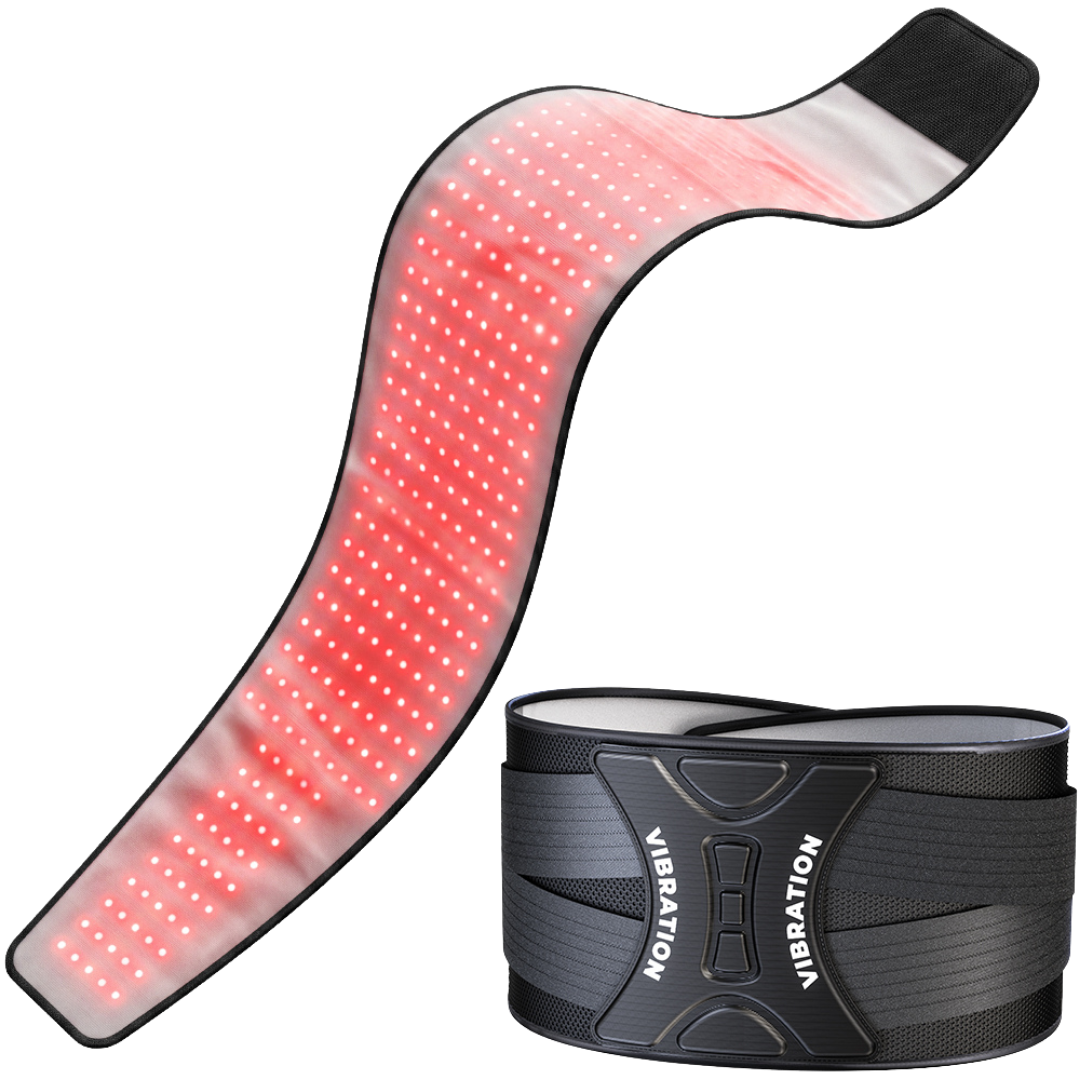
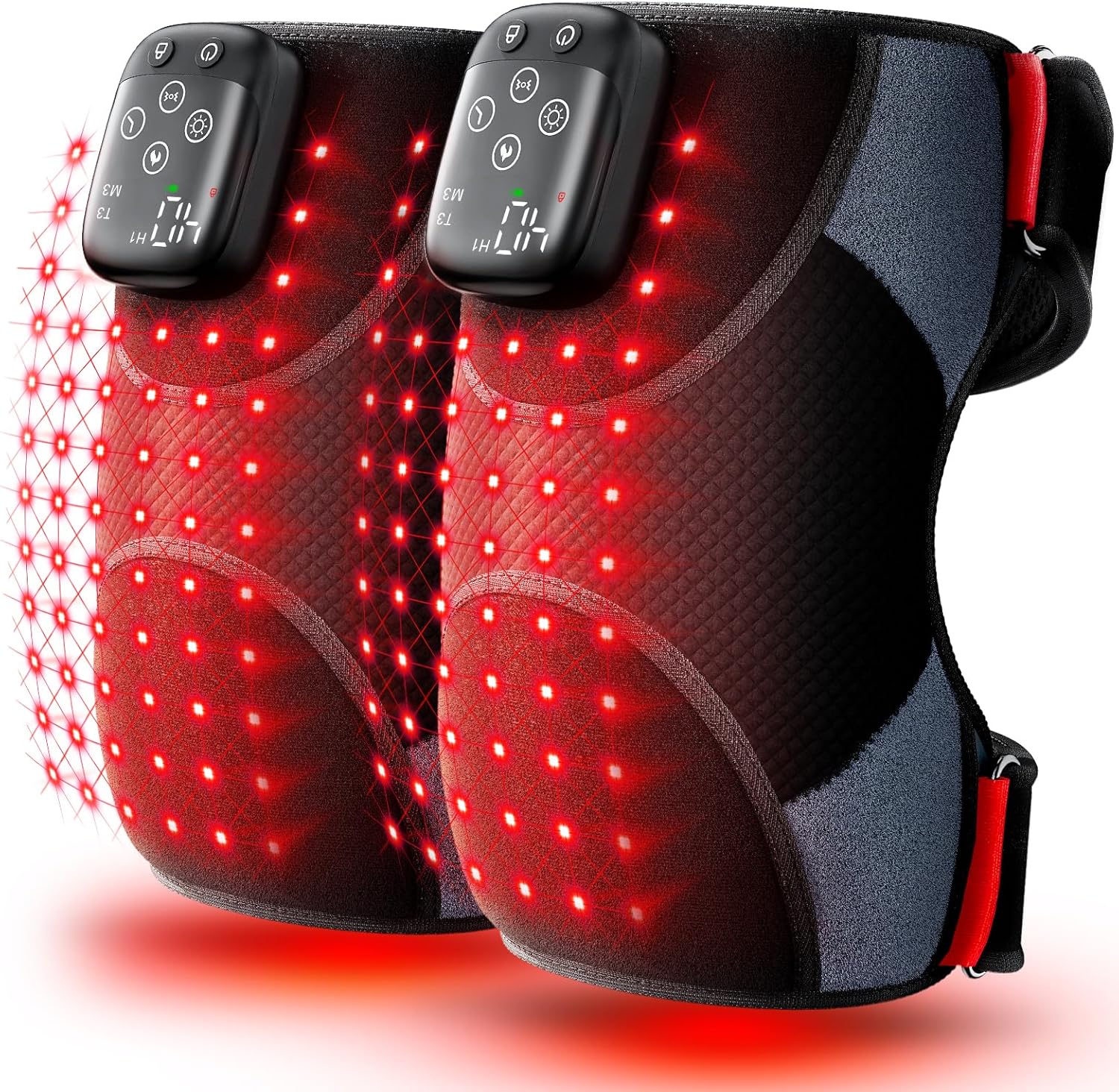
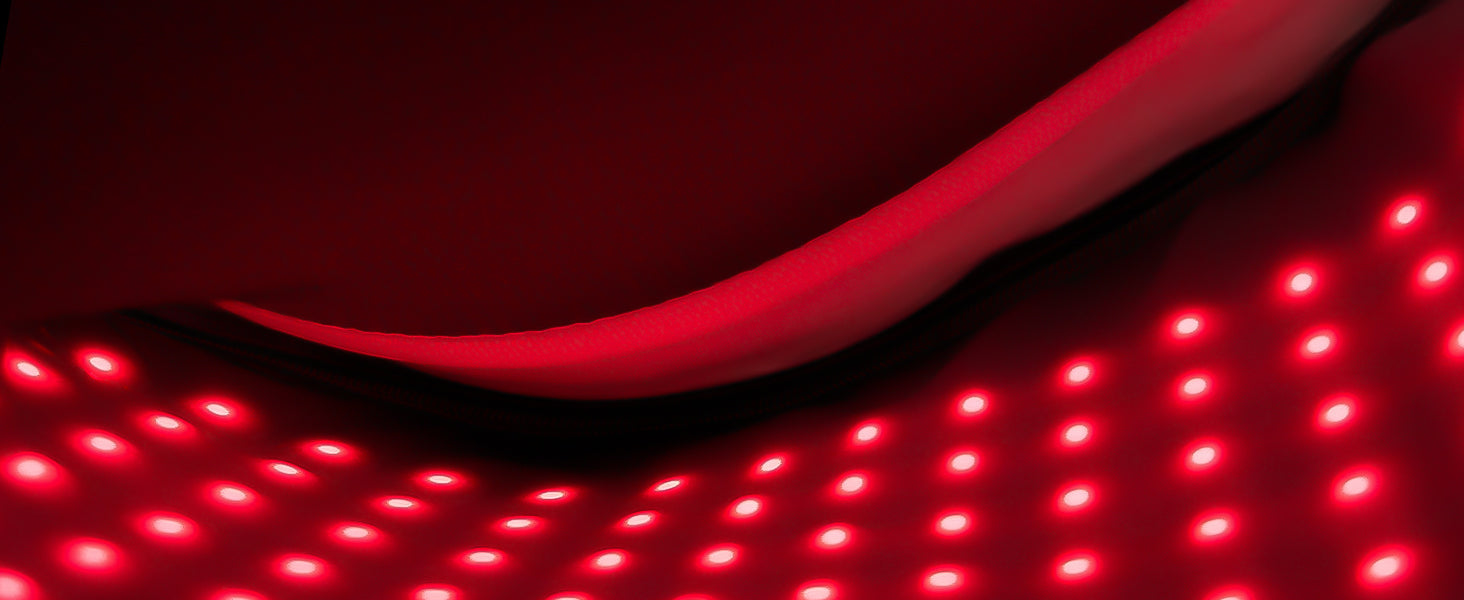
Red Light Therapy (RLT) is a non-invasive treatment that uses low-level red or near-infrared light at specific wavelengths (typically 600–900 nm) to irradiate body tissues and produce therapeutic effects. This treatment modulates cellular function through photochemical reactions.


How Does Red Light Therapy Work at the Cellular Level?

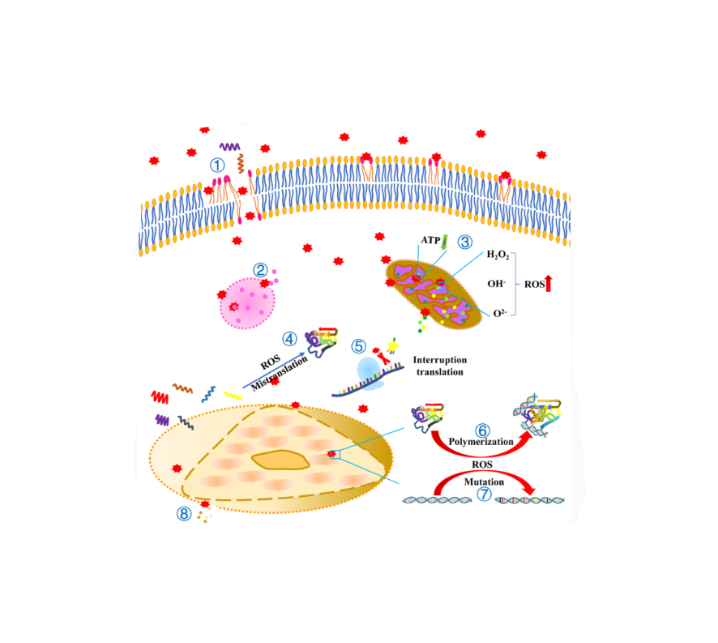
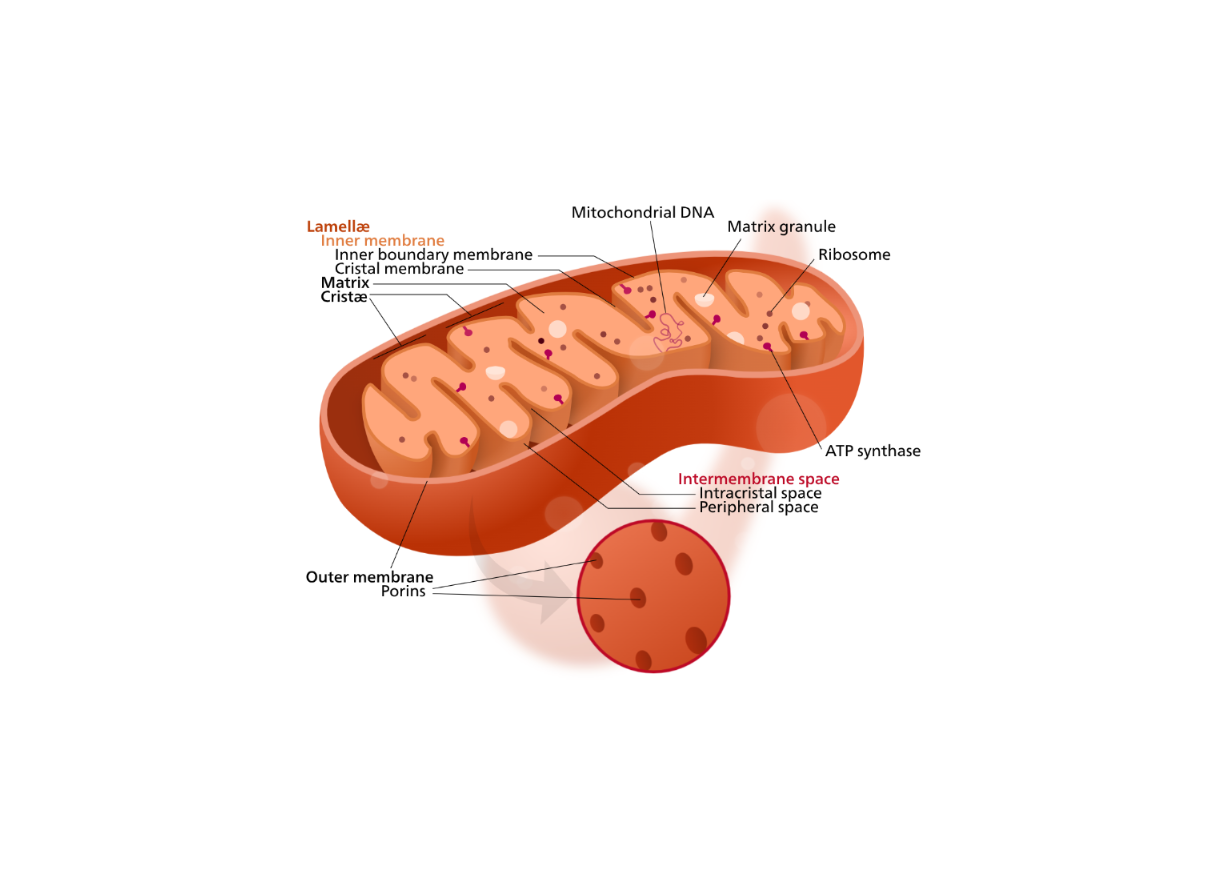
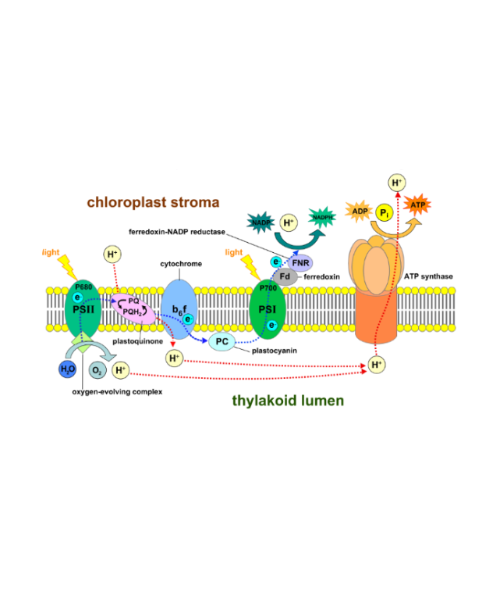
The mechanism of red light therapy is based on the absorption of photons by Cytochrome c Oxidase (CCO) in the mitochondria. When light of a specific wavelength is absorbed, it stimulates the production of adenosine triphosphate (ATP), reduces oxidative stress, and regulates reactive oxygen species (ROS) levels. These changes ultimately lead to altered gene expression, increased cell proliferation, and anti-inflammatory effects.
Studies have shown that red light therapy can enhance cellular metabolism, promote collagen synthesis, and improve local microcirculation.
Scientific Mechanism

Mitochondria

ATP

ROS

Final

The Rise of Red Light Therapy in the US

1990s - 2000s

Early Stages


In the 1990s, research conducted by the National Aeronautics and Space Administration (NASA) found that red light could promote plant growth in space and accelerate wound healing in astronauts [3]. These findings laid the groundwork for the clinical application of red light therapy.

2010s

Commercial Development


As LED technology matured and costs declined, red light therapy devices expanded from professional medical settings to home use. Around 2015, red light therapy entered the mainstream in the U.S., finding applications in skincare, pain management, and sports recovery. Adoption by prominent athletes and public figures further accelerated its popularity.

2020s – Present

Research Validation and Medical Recognition


In recent years, a growing body of clinical research has validated the efficacy of red light therapy for specific indications. The U.S. Food and Drug Administration (FDA) has approved multiple red light devices for treating mild to moderate acne, relieving muscle and joint pain, and reducing arthritis symptoms, among others. Professional medical institutions have also begun integrating it as an adjunctive treatment modality.

How to Evaluate a Red Light Therapy Device

Irradiance

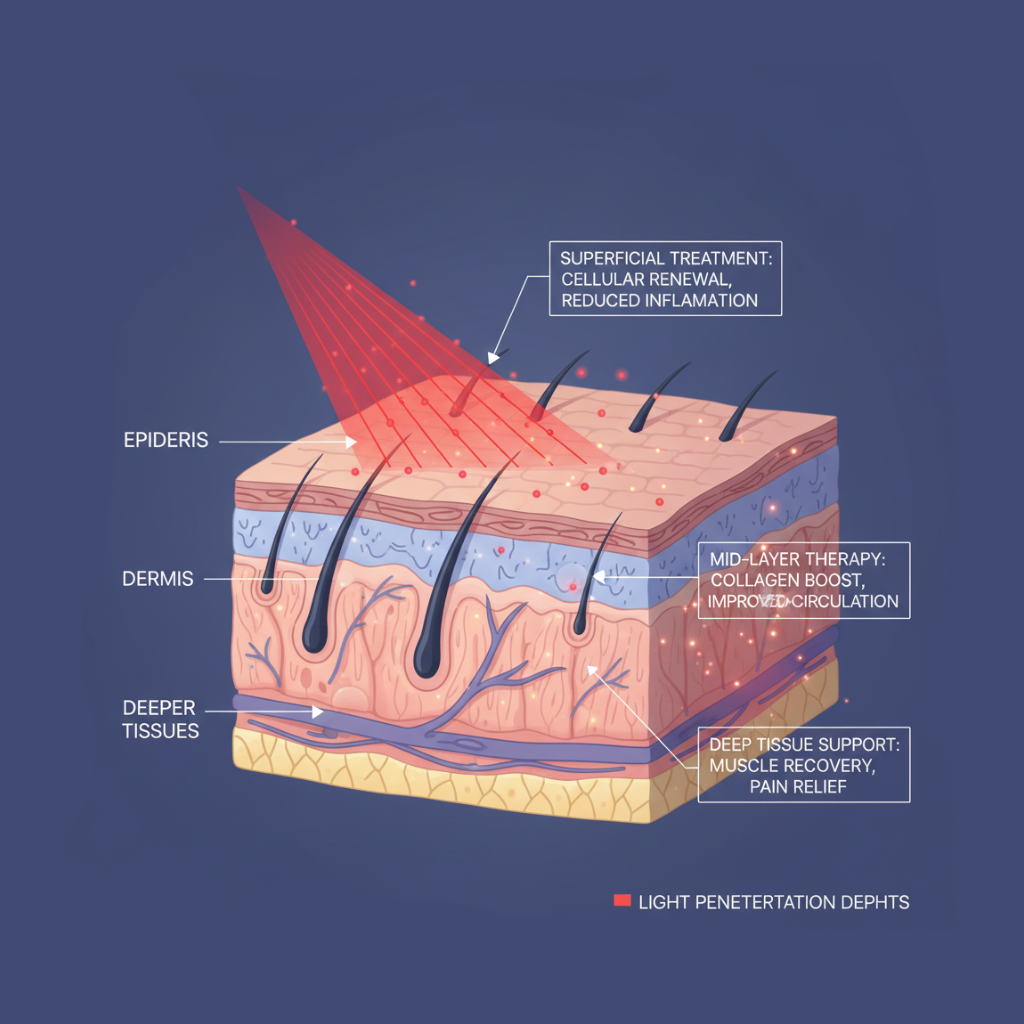
Irradiance is a key physical quantity in the field of photobiomodulation, defined as the optical power received per unit area, with the unit of milliwatts per square centimeter (mW/cm²). Sufficient surface irradiance ensures that light energy can penetrate to the depth of the target tissue. Studies have shown that red light (~660 nm) and near-infrared light (~850 nm) can effectively penetrate the skin to a depth of 5–10 millimeters at an irradiance of 95.6 mW/cm², reaching the dermis and even superficial muscle tissue. This indicator can be measured by a spectrometer, which can display the wavelength of the emitted light and its irradiance.

Energy Density

Energy density, often referred to as the therapeutic dose in red light therapy, is defined as the total amount of light energy received per unit area of skin, with the unit of joules per square centimeter (J/cm²).
Therapeutic Dose (Energy Density, unit: J/cm²) = Irradiance (mW/cm²) × Time (seconds) ÷ 1000Example: 95.6 mW/cm² applied for 100 seconds ≈ 9.56 J/cm² dose
In other words, to achieve effective results from red light therapy, you need either higher irradiance or a longer treatment duration.

Power Consumption

Power consumption refers to the total electrical power drawn by the device from a power outlet, measured in watts (W). It is an electrical engineering parameter, not a light output parameter that directly determines therapeutic effectiveness.
Important: Power Consumption ≠ Treatment Intensity

  • Power Consumption: Total electricity used by the device
  • Light Output Power / Irradiance: Actual therapeutic light intensity delivered to the skin

Higher power consumption can support larger LED arrays or greater brightness, ensuring all LEDs operate stably at their rated power. In short, higher power allows more electricity to be efficiently converted into effective therapeutic light. The real therapeutic parameter is the irradiance at the skin surface (mW/cm²), not the device’s electricity consumption.

This is why most LTW devices are available in both battery-powered and plug-in versions. Batteries simply cannot deliver the power required for optimal therapeutic results — only plug-in power can guarantee consistent, effective performance.

Pulse Mode

Pulse mode (intermittent light output) outperforms continuous mode: 25-40% better analgesia, 30-50% longer duration (10-50Hz is optimal). Low Frequency (1-10 Hz): Suitable for chronic pain and muscle tension, and helps stimulate wound healing. Medium Frequency (10-100 Hz): Simulates natural muscle contraction to improve athletic recovery; 40Hz, in particular, may enhance cognition by synchronizing with γ brain waves.

Full Body Benefits of Red Light Therapy

Chronic pain involves peripheral and central sensitization mechanisms. Following tissue injury, inflammatory mediators lower nociceptive thresholds and cause abnormal nociceptor firing; persistent pain induces spinal dorsal horn neuronal plasticity changes, forming pain memory traces. Red light therapy alleviates pain through multiple mechanisms: peripherally, red light suppresses TRPV1 nociceptor expression and reduces substance P and CGRP neuropeptide release, diminishing peripheral sensitization; centrally, red light promotes endogenous opioid peptide and serotonin secretion, activating descending inhibitory pathways. For neuropathic pain, red light improves neural microcirculation and promotes axonal regeneration, restoring nerve conduction function. In musculoskeletal pain, red light reduces acetylcholine levels at myofascial trigger points, relieving muscle spasms

Wound healing progresses through hemostasis, inflammation, proliferation, and remodeling phases; disruption at any stage causes delayed closure. Chronic wounds typically feature hypoxia, infection, and cellular senescence with impaired fibroblast and keratinocyte migration. Red light therapy accelerates all healing phases via photobiomodulation. Early stages benefit from red light-driven macrophage polarization toward M2 phenotype, secreting VEGF and FGF to stimulate angiogenesis; during proliferation, fibroblast collagen synthesis intensifies and granulation tissue forms rapidly. Red light also enhances mitochondrial respiratory chain efficiency, ameliorates cellular hypoxia, and activates stem cell homing. For refractory wounds such as diabetic ulcers, red light reduces oxidative stress and restores normal cellular metabolism.

Acute inflammation serves defensive functions, whereas chronic inflammation causes tissue damage and diverse pathologies. Inflammatory processes feature overactivated macrophages releasing excessive pro-inflammatory cytokines, reactive oxygen species (ROS) bursts creating oxidative stress—establishing an inflammation-oxidation vicious cycle. Red light therapy exerts anti-inflammatory effects by inhibiting NF-κB signaling pathways. Specific wavelengths downregulate COX-2 and iNOS expression, reducing prostaglandin E2 and nitric oxide generation. Concurrently, red light activates cellular antioxidant defense systems, upregulating superoxide dismutase (SOD) and glutathione peroxidase activities to scavenge excess ROS. For chronic inflammatory conditions such as arthritis, red light penetrates joint cavities, suppresses synoviocyte inflammatory cytokine release, attenuates cartilage degradation, and improves joint function.

Acne pathogenesis involves sebaceous hypersecretion, Cutibacterium acnes proliferation, and inflammatory cascades. Sebum obstructs hair follicles forming microcomedones; anaerobic conditions facilitate bacterial overgrowth, whose metabolic byproducts trigger immune-inflammatory responses leading to erythematous papules and pustules. Red light therapy exerts multi-target intervention: 415nm blue light components activate endogenous bacterial porphyrins, generating singlet oxygen to eradicate C. acnes; red light penetrates deeper to inhibit sebocyte differentiation and reduce sebum secretion. Simultaneously, red light downregulates pro-inflammatory cytokines IL-1α, IL-8, and TNF-α, diminishing post-inflammatory erythema and hyperpigmentation. By modulating keratinocyte proliferation, red light prevents follicular hyperkeratosis and unclogs obstructed pores.

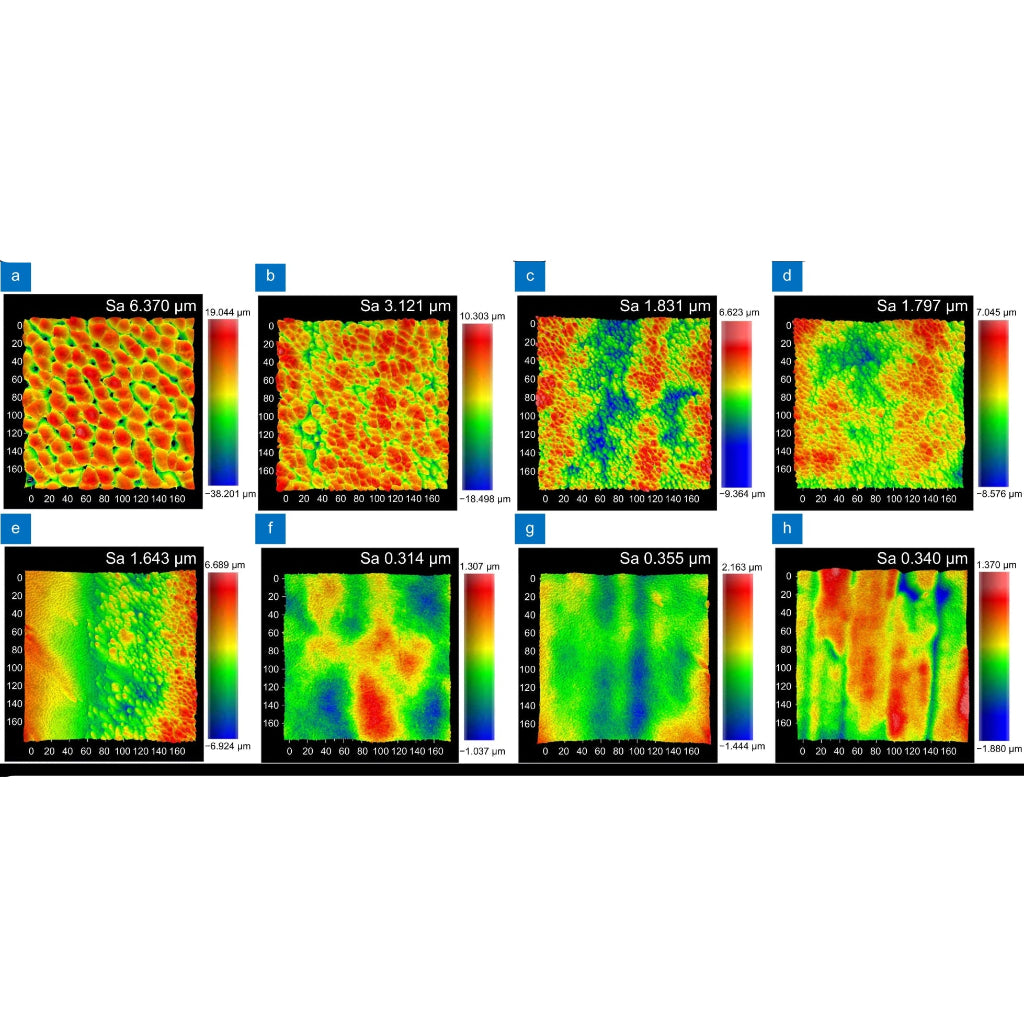
Skin aging manifests primarily through collagen depletion, elastin fiber fragmentation, and dermal thinning. As age advances, fibroblast activity declines, collagen synthesis rates drop, while matrix metalloproteinases (MMPs) become overexpressed and accelerate collagen degradation—collectively resulting in skin laxity and wrinkle formation. Red light therapy reactivates senescent fibroblasts by stimulating cytochrome c oxidase and enhancing mitochondrial ATP production. Research demonstrates that wavelengths between 630-700nm upregulate type I and III collagen gene expression while downregulating MMP-1 and MMP-2 activity, thereby reconstructing the extracellular matrix. Furthermore, red light induces transforming growth factor-β (TGF-β) release to promote collagen remodeling. Consistent irradiation increases dermal density, improves skin texture, and reduces wrinkle depth.

Localized fat accumulation associates with adipocyte hypertrophy, impaired lymphatic return, and connective tissue fibrosis. Conventional fat reduction struggles to target specific areas, with skin laxity being a common side effect. Red light therapy (particularly 635nm wavelength) triggers adipocyte membrane permeability changes, promoting triglyceride decomposition into free fatty acids and glycerol for lymphatic metabolism—achieving adipocyte volume reduction rather than destructive elimination. Simultaneously, red light stimulates dermal collagen contraction and neogenesis, tightening skin during fat reduction to prevent laxity. Additionally, improved local microcirculation and lymphatic drainage reduce edema and cellulite appearance. Combined with exercise, red light enhances mitochondrial fatty acid oxidation efficiency, amplifying fat loss outcomes.

Major alopecia types include androgenetic alopecia (AGA) and telogen effluvium. In AGA, dihydrotestosterone (DHT) miniaturizes hair follicles and shortens anagen phases; follicular stem cells become quiescent and dermal papilla cell function deteriorates. Red light therapy (650-655nm) reverses follicular miniaturization. Red light prolongs anagen duration, shortens telogen phases, and activates follicular stem cell proliferation via Wnt/β-catenin signaling pathways. Concurrently, red light increases dermal papilla cell ATP production and VEGF expression, improving follicular blood supply and nutrient delivery. For autoimmune alopecia such as alopecia areata, red light modulates local immune microenvironments, reducing T-cell attacks on hair follicles. Clinical evidence demonstrates increased hair density and diameter with improved hair quality.

Sleep disorders and depression share neurobiological foundations involving circadian rhythm disruption, monoaminergic neurotransmitter imbalance, and neuroinflammation. Intrinsically photosensitive retinal ganglion cells (ipRGCs) are blue-light sensitive; nocturnal blue light exposure suppresses melatonin secretion and delays sleep phase. Depression patients often exhibit reduced hippocampal neurogenesis and prefrontal cortex hypofunction.Red light therapy modulates circadian rhythms through non-visual pathways. Daytime red light exposure enhances circadian amplitude, while nighttime low-intensity red light (<10 lux) does not suppress melatonin—instead improving nocturnal melatonin peak quality to consolidate sleep architecture. For mood regulation, red light penetrates the skull acting on prefrontal cortex, elevating brain-derived neurotrophic factor (BDNF) levels to promote neuroplasticity; simultaneously modulating hypothalamic-pituitary-adrenal axis to reduce cortisol levels. Red light also improves cerebral microcirculation and mitochondrial function, alleviating depression-associated cognitive slowing and fatigue.

Pain Relief

Chronic pain involves peripheral and central sensitization mechanisms. Following tissue injury, inflammatory mediators lower nociceptive thresholds and cause abnormal nociceptor firing; persistent pain induces spinal dorsal horn neuronal plasticity changes, forming pain memory traces. Red light therapy alleviates pain through multiple mechanisms: peripherally, red light suppresses TRPV1 nociceptor expression and reduces substance P and CGRP neuropeptide release, diminishing peripheral sensitization; centrally, red light promotes endogenous opioid peptide and serotonin secretion, activating descending inhibitory pathways. For neuropathic pain, red light improves neural microcirculation and promotes axonal regeneration, restoring nerve conduction function. In musculoskeletal pain, red light reduces acetylcholine levels at myofascial trigger points, relieving muscle spasms

Wound Healing

Wound healing progresses through hemostasis, inflammation, proliferation, and remodeling phases; disruption at any stage causes delayed closure. Chronic wounds typically feature hypoxia, infection, and cellular senescence with impaired fibroblast and keratinocyte migration. Red light therapy accelerates all healing phases via photobiomodulation. Early stages benefit from red light-driven macrophage polarization toward M2 phenotype, secreting VEGF and FGF to stimulate angiogenesis; during proliferation, fibroblast collagen synthesis intensifies and granulation tissue forms rapidly. Red light also enhances mitochondrial respiratory chain efficiency, ameliorates cellular hypoxia, and activates stem cell homing. For refractory wounds such as diabetic ulcers, red light reduces oxidative stress and restores normal cellular metabolism.

Inflammation

Acute inflammation serves defensive functions, whereas chronic inflammation causes tissue damage and diverse pathologies. Inflammatory processes feature overactivated macrophages releasing excessive pro-inflammatory cytokines, reactive oxygen species (ROS) bursts creating oxidative stress—establishing an inflammation-oxidation vicious cycle. Red light therapy exerts anti-inflammatory effects by inhibiting NF-κB signaling pathways. Specific wavelengths downregulate COX-2 and iNOS expression, reducing prostaglandin E2 and nitric oxide generation. Concurrently, red light activates cellular antioxidant defense systems, upregulating superoxide dismutase (SOD) and glutathione peroxidase activities to scavenge excess ROS. For chronic inflammatory conditions such as arthritis, red light penetrates joint cavities, suppresses synoviocyte inflammatory cytokine release, attenuates cartilage degradation, and improves joint function.

Acne

Acne pathogenesis involves sebaceous hypersecretion, Cutibacterium acnes proliferation, and inflammatory cascades. Sebum obstructs hair follicles forming microcomedones; anaerobic conditions facilitate bacterial overgrowth, whose metabolic byproducts trigger immune-inflammatory responses leading to erythematous papules and pustules. Red light therapy exerts multi-target intervention: 415nm blue light components activate endogenous bacterial porphyrins, generating singlet oxygen to eradicate C. acnes; red light penetrates deeper to inhibit sebocyte differentiation and reduce sebum secretion. Simultaneously, red light downregulates pro-inflammatory cytokines IL-1α, IL-8, and TNF-α, diminishing post-inflammatory erythema and hyperpigmentation. By modulating keratinocyte proliferation, red light prevents follicular hyperkeratosis and unclogs obstructed pores.

Wrinkles

Skin aging manifests primarily through collagen depletion, elastin fiber fragmentation, and dermal thinning. As age advances, fibroblast activity declines, collagen synthesis rates drop, while matrix metalloproteinases (MMPs) become overexpressed and accelerate collagen degradation—collectively resulting in skin laxity and wrinkle formation. Red light therapy reactivates senescent fibroblasts by stimulating cytochrome c oxidase and enhancing mitochondrial ATP production. Research demonstrates that wavelengths between 630-700nm upregulate type I and III collagen gene expression while downregulating MMP-1 and MMP-2 activity, thereby reconstructing the extracellular matrix. Furthermore, red light induces transforming growth factor-β (TGF-β) release to promote collagen remodeling. Consistent irradiation increases dermal density, improves skin texture, and reduces wrinkle depth.

Body Contour

Localized fat accumulation associates with adipocyte hypertrophy, impaired lymphatic return, and connective tissue fibrosis. Conventional fat reduction struggles to target specific areas, with skin laxity being a common side effect. Red light therapy (particularly 635nm wavelength) triggers adipocyte membrane permeability changes, promoting triglyceride decomposition into free fatty acids and glycerol for lymphatic metabolism—achieving adipocyte volume reduction rather than destructive elimination. Simultaneously, red light stimulates dermal collagen contraction and neogenesis, tightening skin during fat reduction to prevent laxity. Additionally, improved local microcirculation and lymphatic drainage reduce edema and cellulite appearance. Combined with exercise, red light enhances mitochondrial fatty acid oxidation efficiency, amplifying fat loss outcomes.

Hair Growth

Major alopecia types include androgenetic alopecia (AGA) and telogen effluvium. In AGA, dihydrotestosterone (DHT) miniaturizes hair follicles and shortens anagen phases; follicular stem cells become quiescent and dermal papilla cell function deteriorates. Red light therapy (650-655nm) reverses follicular miniaturization. Red light prolongs anagen duration, shortens telogen phases, and activates follicular stem cell proliferation via Wnt/β-catenin signaling pathways. Concurrently, red light increases dermal papilla cell ATP production and VEGF expression, improving follicular blood supply and nutrient delivery. For autoimmune alopecia such as alopecia areata, red light modulates local immune microenvironments, reducing T-cell attacks on hair follicles. Clinical evidence demonstrates increased hair density and diameter with improved hair quality.

Sleep and Depression

Sleep disorders and depression share neurobiological foundations involving circadian rhythm disruption, monoaminergic neurotransmitter imbalance, and neuroinflammation. Intrinsically photosensitive retinal ganglion cells (ipRGCs) are blue-light sensitive; nocturnal blue light exposure suppresses melatonin secretion and delays sleep phase. Depression patients often exhibit reduced hippocampal neurogenesis and prefrontal cortex hypofunction.Red light therapy modulates circadian rhythms through non-visual pathways. Daytime red light exposure enhances circadian amplitude, while nighttime low-intensity red light (<10 lux) does not suppress melatonin—instead improving nocturnal melatonin peak quality to consolidate sleep architecture. For mood regulation, red light penetrates the skull acting on prefrontal cortex, elevating brain-derived neurotrophic factor (BDNF) levels to promote neuroplasticity; simultaneously modulating hypothalamic-pituitary-adrenal axis to reduce cortisol levels. Red light also improves cerebral microcirculation and mitochondrial function, alleviating depression-associated cognitive slowing and fatigue.

References:

1. Photobiomodulation — Underlying Mechanism and Clinical Applications
🔗 https://www.mdpi.com/2077-0383/9/6/1724

2. Utilization of the 1064 nm Wavelength in Photobiomodulation: A Systematic Review and Meta-Analysis
🔗 https://pubmed.ncbi.nlm.nih.gov/35155171/

3. Photobiomodulation therapy as an adjunct to resistance exercises…
🔗 https://link.springer.com/article/10.1007/s10103-024-04177-x

4. Efficacy of photobiomodulation therapy using 980 nm vs 635 nm
🔗 https://bmcoralhealth.biomedcentral.com/articles/10.1186/s12903-025-06971-7

5. Comparative analysis of the light parameters…
🔗 https://pubmed.ncbi.nlm.nih.gov/33332651/

6. Noninvasive red and near-infrared wavelength PBM for wound healing
🔗 https://pubmed.ncbi.nlm.nih.gov/27943458/