


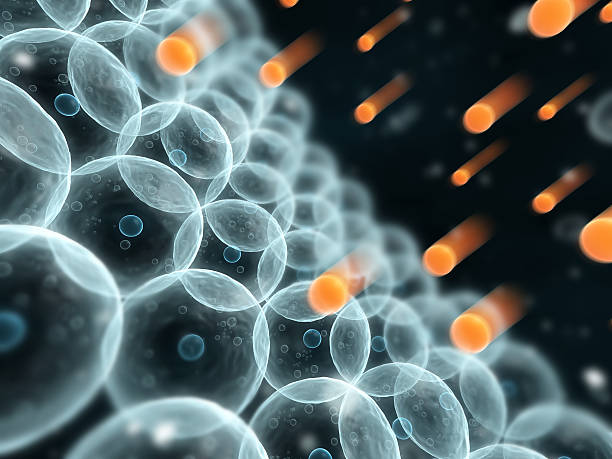
Have you ever wondered why an apple turns brown after being sliced and left on the counter? That's oxidation in action. While a brown apple is just a kitchen mishap, when a similar process happens inside your body, it's called oxidative stress—and it might be the hidden culprit behind your chronic aches and pains.
At its most fundamental level, oxidative stress is an internal biological imbalance between reactive oxygen species (commonly known as free radicals) and the body's antioxidant defenses. While oxidation is a natural process that occurs during normal metabolic functions, an excess of free radicals can lead to significant cellular damage.
Understanding Oxidative Stress
To understand this condition, one must look at the relationship between free radicals and antioxidants. Free radicals are oxygen-containing molecules with an uneven number of electrons, which allows them to easily react with other molecules. In a healthy system, antioxidants neutralize these free radicals, preventing them from causing harm.
However, when environmental stressors—such as pollution, poor diet, or chronic stress—overwhelm the body's natural defenses, oxidative stress occurs. This state leads to the oxidation of DNA, proteins, and lipids, effectively accelerating the aging process and contributing to systemic inflammation.
Negative Health Effects of Oxidative Stress
Prolonged oxidative stress is a primary driver of chronic inflammation and various degenerative conditions. In the context of the musculoskeletal system, it plays a critical role in the development of nerve root pain (radiculopathy).
When the tissues surrounding the spinal nerves are subjected to constant oxidative damage, the resulting inflammation can lead to:
· Neural Irritation: Persistent tingling and shooting pains in the lower back and extremities.
· Tissue Degeneration: If left untreated, chronic oxidative stress can lead to permanent nerve damage and loss of function.
· Reduced Mobility: The inflammatory cycle often results in debilitating stiffness and chronic pain.
Ways to Limit Oxidative Stress
While it is impossible to eliminate oxidative stress entirely, several lifestyle interventions can help restore biological balance:
· Eat a healthier diet: Prioritize whole foods rich in natural antioxidants like Vitamin C and E.
· Regular exercise: Physical activity boosts the body's natural antioxidant production.
· Minimize environmental toxins: Reduce exposure to cigarette smoke and harsh household chemicals.
· Red light therapy: Clinical research suggests that specific wavelengths of light can help mitigate oxidative damage at a cellular level.
Red Light Therapy Helps Reduce Oxidative Stress
Red light therapy, also known as photobiomodulation (PBM), works by delivering concentrated wavelengths of natural light to the mitochondria, the powerhouses of the cells.
When these light photons are absorbed, they stimulate the production of adenosine triphosphate (ATP), the primary energy currency of the cell. This process helps displace nitric oxide, which often blocks oxygen consumption during periods of oxidative stress. By optimizing mitochondrial function, red and near infrared light therapy helps the body upregulate its own antioxidant defenses and reduce pro-inflammatory markers, facilitating the repair of damaged nerve and muscle tissues.
What are Customers Saying About LTW?
Many individuals have integrated red light therapy into their recovery routines to manage the symptoms of oxidative stress and chronic inflammation.
Here is what LTW customers are saying about our medical grade Red Light Therapy Belt:
“I was initially skeptical about the technology, but a colleague recommended it for my chronic lower back pain. I have suffered from sciatica for years due to nerve root inflammation. Within the first two weeks of using the LTW Belt-Premium, the shooting pains have significantly diminished, and I've regained much of my daily mobility.”
“I struggle with rheumatoid arthritis in my hips, and I often experience secondary lower back stiffness as a result. The LTW red light belt's wrap-around design makes it easy to provide supportive heat and compression to my hips and lower back, effectively easing my morning stiffness. It's now an essential part of my daily routine.”
“As an athlete, I deal with frequent muscle soreness and connective tissue strain. I use the LTW red light therapy belt after every heavy training session. I've noticed a substantial reduction in recovery time and less overall soreness compared to when I don't use the device. It is a highly effective tool for managing exercise-induced inflammation.”
Conclusion: Seek Balance for Your Back
Oxidative stress is an unavoidable aspect of the aging process and modern living. However, through proactive lifestyle choices and targeted recovery strategies, its impact on long-term health and mobility can be significantly managed.
Red light therapy serves as a non-invasive, effective treatment to bolster cellular energy and combat inflammation. A true medical-grade device like the LTW Red Light Therapy Belt utilizes clinically proven wavelengths to ensure maximum absorption and safety. We always recommend consulting with a qualified healthcare provider regarding any specific medical conditions or chronic pain concerns.
Partager:
Knee Brace Before or After Workout: Which Is Better?
How Red Light Therapy Affects Cortisol Levels and the Body's Stress Response