


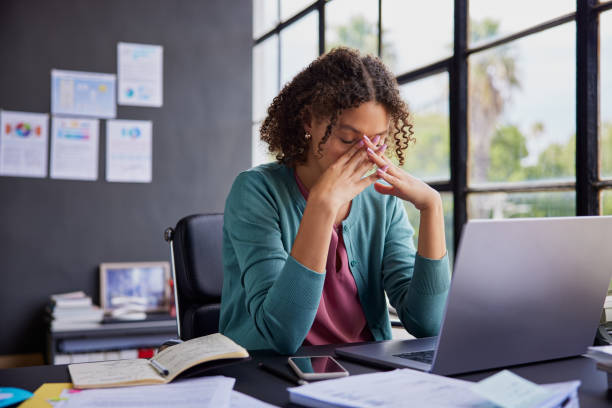
Do you ever feel like your body is aging faster than your actual age?
At 30, many people start noticing something unexpected:
· more frequent lower back pain
· tighter hips and shoulders
· slower recovery after long workdays
· constant fatigue that “didn’t exist before”
You used to recover overnight after a long day. Now, even a normal weekday leaves you feeling stiff, heavy, and drained. If this sounds familiar, you may already be stuck in what we call the 10-hour sitting trap.
The 10-Hour Trap You Don’t Notice
A typical “normal day” looks like this:
· 6 hours working at a desk (meetings, emails, sitting nonstop)
· 1 hour commuting (car or subway, still sitting)
· 3 hours scrolling or watching screens
That’s 10 hours of low movement every single day. And the problem is not that you feel “very tired.” The problem is that your body feels nothing… until it starts hurting.
How Prolonged Sitting Slowly “Rewires” Your Body
1. Poor Circulation: Your Lower Body Starts to Feel “Frozen”
Long sitting slows blood and lymph circulation, especially in the hips and lower body.
You may notice:
· swollen ankles in the evening
· heavy, “weighted” legs when lying down
· cold or stiff lower body sensation
This is often the first silent warning sign: your circulation is slowing down.
2. Hip & Lower Back Pressure: The Body Starts to Shift
Prolonged sitting affects posture and muscle activation:
· hip flexors tighten
· glutes become inactive
· lower back takes more pressure
Over time, this can lead to:
· lower back pain
· pelvic imbalance
· weak core support
· discomfort when standing up or bending
This is when many people start thinking: “My back just isn’t what it used to be.”
3. Stress Hormones Stay Elevated: Your Body Never Fully “Shuts Off”
High workload + long sitting can keep stress hormones elevated, especially cortisol.
This may lead to:
· difficulty falling asleep even when tired
· frequent fatigue during the day
· lower immune resilience
· emotional irritability
Your body is not relaxing — it stays in a low-level “alert mode.”
4. Digestive & Circulatory Pressure: Silent Internal Stress
Long hours of sitting can also affect internal systems:
· slower digestion and bloating
· reduced pelvic circulation
· increased risk of lower-body discomfort
Many people mistake these as “normal aging,” but they are often lifestyle-driven.
5. Accelerated Aging Signals: From Energy to Appearance
Research has linked prolonged sedentary behavior with faster biological aging.
Common signs include:
· reduced muscle tone
· slower metabolism
· increased stiffness and joint discomfort
· visible fatigue in posture and skin appearance
It doesn’t happen overnight — it accumulates quietly.
Why It Feels Worse in Your 30s
In your 20s, your body compensates easily.
In your 30s:
· recovery becomes slower
· muscle elasticity decreases
· stress impact becomes stronger
· sedentary damage accumulates faster
It’s not that your body suddenly “gets worse” — it’s that recovery can no longer keep up.
The 15-Minute Evening Reset Routine
The good news: your body responds quickly when you support it correctly.
1. 3 Minutes of Gentle Movement
· hip circles
· cat-cow stretch
· light spinal mobility
Goal: wake up the hips and lower back.
2. Red Light Therapy
Using red light therapy for lower back pain may help support muscle relaxation and circulation after long sitting hours.
Red light therapy is designed to support:
· muscle relaxation after prolonged sitting
· circulation in tight or stiff areas
· daily recovery routines
Think of it as a gentle signal to your body: it’s time to unwind.
3. 5 Minutes of Deep Breathing
· slow nasal breathing
· abdominal expansion
· relaxed exhale
Reducing stimulation before sleep helps the body transition into recovery more efficiently. Even 10–15 minutes makes a difference.
Goal: help the nervous system shift out of stress mode.
Wellness Starts With Recovery
You don’t need a perfect routine. You just need a consistent reset. Because the real problem isn’t aging — it’s staying in the same position for too long, too often, without recovery.
Final Thoughts
If your body feels “older” than your age, it’s often not time doing damage — it’s daily inactivity without reset. The goal is not to avoid sitting completely. The goal is to interrupt the 10-hour trap with small recovery habits that your body actually responds to. Start with 15 minutes tonight.
Partager:
Shoulder & Neck Pain, Upper Back Pain, or Radiating Arm Pain? It Could Be Related to Fibromyalgia
From Spot Relief to Full Coverage: Why Full-Coverage Red Light Therapy Works Differently