


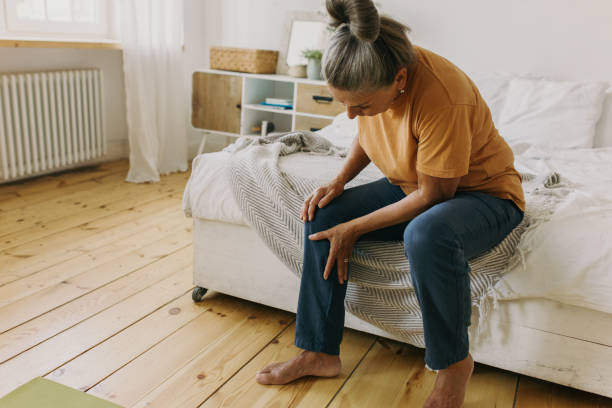
Knee pain has become an increasingly common problem affecting people of all ages. It often occurs in individuals who participate in high-impact sports, perform repetitive movements at work, or experience joint injuries. Sharp pain, stiffness, and persistent swelling can limit mobility and make everyday activities more difficult.
If you're looking for fast ways to deal with knee pain, this article explores the most common causes of knee discomfort and introduces several effective solutions. From traditional care methods to modern options like red light therapy, these approaches can help support joint comfort and improve daily movement.
What Causes Knee Pain?
The knee is one of the most complex joints in the human body, and pain can develop for many different reasons, including the following:
1. Overuse and Repetitive Stress
Activities such as running, squatting, or climbing stairs repeatedly can place excessive stress on the knee joint. Over time, this may irritate surrounding tissues and lead to inflammation and discomfort.
2. Injuries
Sudden injuries from sports or accidents can damage ligaments, cartilage, or tendons in the knee. Conditions such as ligament strains or meniscus irritation often cause swelling, instability, and sharp pain when moving.
3. Aging and Joint Wear
As we age, the cartilage that cushions the knee joint gradually wears down. This natural degeneration can lead to stiffness, reduced flexibility, and persistent knee pain.
4. Poor Circulation and Muscle Tension
Limited blood flow around the knee joint may slow recovery and increase muscle tightness. This is why some people experience discomfort after long periods of sitting or standing.
7 Ways to Get Rid of Knee Pain Fast
1. Rest the Knee Joint
One of the most important steps in early knee pain relief is simply allowing the joint to rest. Avoid activities that place excessive stress on the knee, such as running, squatting, or heavy lifting. Short periods of rest give irritated tissues time to recover.
2. Apply Ice to Reduce Swelling
Applying ice to the knee for 10–15 minutes may help reduce swelling and inflammation after exercise or strain. Cold therapy is commonly used in the early stage of knee discomfort to calm irritated tissues and ease pain.
3. Use Compression Bandages
Gentle compression can help support the knee and reduce swelling. Using compression bandages or elastic wraps helps stabilize the joint while limiting fluid buildup around the knee area.
4. Elevate the Leg
Keeping the leg slightly elevated, especially after activity, may help reduce fluid accumulation around the knee joint. Elevation works best when the leg is positioned above heart level while resting.
5. Red Light Therapy
Red light therapy uses specific wavelengths of light that can penetrate deep into tissues around the joint. This light energy interacts with cells in the area, helping support circulation and reduce inflammatory responses that often contribute to joint discomfort.
For people dealing with stiffness or soreness, red light therapy for knee pain may help relax surrounding muscles and support the body’s natural recovery processes. When applied to the knee area, it can gradually improve comfort and mobility over time.
6. Do Some Exercises
Light movement can help maintain joint flexibility and improve circulation around the knee. Low-impact activities such as walking, stretching, or cycling may strengthen surrounding muscles and reduce stiffness over time.
7. Professional Treatments for Persistent Knee Pain
If knee pain does not improve, medical treatment may be needed. Doctors may recommend physical therapy, medical imaging, or corticosteroid injections to reduce inflammation. In more severe cases, surgery options may also be considered.
Conclusion
Knee pain can result from many everyday factors, but simple care and healthy habits often make a noticeable difference. In addition to the approaches mentioned above, supportive options such as a knee brace or recovery tools like a knee massager with heat and red light therapy may also help improve comfort and support knee health over time. Finding the right combination of care strategies can make it easier to stay active and keep your knees moving comfortably.
Aktie:
Red Light Therapy For Knee Pain after Running
How Does Red Light Therapy Work for Back Pain?